
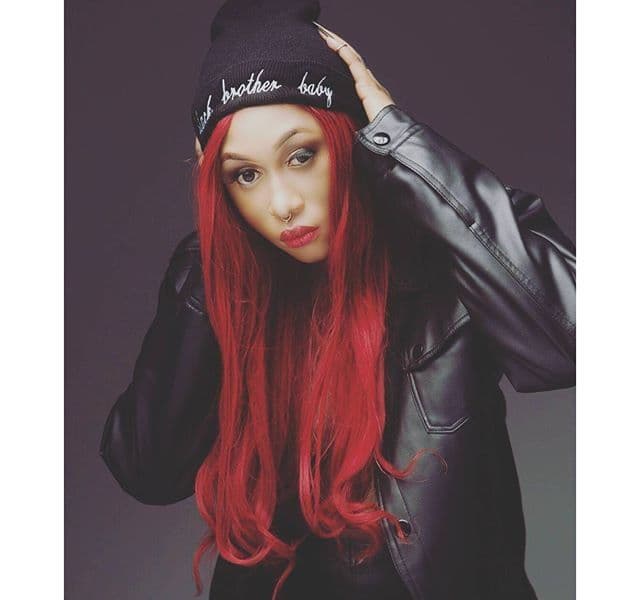
2014–2016: When Cynthia Morgan Ruled African Dancehall
Between 2014 and 2016, Cynthia Morgan built one of the most memorable runs by a female dancehall artist in Africa. During that era, she mixed dancehall, Afropop, reggae energy and rap attitude in a way that stood out across the continent. Her breakthrough came with songs like Lead Me On and Don't Break My Heart, records that pushed her into mainstream Nigerian music and earned industry recognition, including a nomination at The Headies for Best Reggae/Dancehall Single. Then came the run that made fans call her the “Dancehall Queen.” Tracks such as I Am Taken, German Juice, Simati Niya and later Olowo carried her bold image, Caribbean-inspired delivery and energetic performance style. At that time, Cynthia Morgan became known for bringing a female edge into a space that was heavily dominated by male artists. Her red-hair era, confident lyrics and crossover sound made her one of the most talked-about performers in African urban music. Industry recognition and award wins followed as her profile continued to rise across 2014–2016. For many fans, that period remains peak Cynthia Morgan — an era where she delivered hits, represented Nigerian dancehall globally, and showed that women could command the dancehall stage in Africa with authority and style.
How Cynthia Morgan’s Songs Took Over Africa There was a moment in African music when it felt impossible to ignore Cynthia Morgan. Between 2014 and 2016, she delivered hit after hit and created a style that blended dancehall, Afropop, rap and Caribbean energy into one powerful identity. Her takeover started with “Don’t Break My Heart” and “Lead Me On.” Those songs introduced a new female voice in Nigerian mainstream music — confident, energetic and different from the dominant sound at the time. “Lead Me On” later earned recognition in the reggae and dancehall category at major Nigerian awards. Then came records that turned her into a continental name: “I’m Taken,” “German Juice,” “Come and Do,” “Baby Mama,” and “Simati Niya.” These songs dominated clubs, radio stations and music channels across West and parts of East Africa. Her dancehall delivery, patois influence and fearless stage image made her stand out in an era full of competition. One of the biggest moments of that run was “German Juice.” The song became part of pop culture and strengthened her reputation as one of Africa’s leading female dancehall acts. Around that period, many fans crowned her the unofficial “Dancehall Queen” because of her consistency and unique sound. Cynthia Morgan’s rise showed that female artists could dominate dancehall at the highest level in Africa — and years later, fans still talk about that era as one of the strongest runs in Nigerian music.
Cynthia Morgan and Her Powerful Collaborations With Male Artists in African Music During her rise to fame, Cynthia Morgan built a reputation not only through solo hits but also through strong collaborations with male artists across Africa’s music scene. Her ability to blend dancehall, Afropop and rap made her a natural fit for cross-genre partnerships. One of her earliest notable collaborations came with General Pype on “Dutty Stepping.” The record introduced many listeners to Cynthia’s energetic dancehall style and helped establish her name before her mainstream breakthrough. She also gained attention through her appearance alongside Jhybo on “Ejo Le Fero,” a collaboration remembered as one of her early standout moments. Industry observers later described that feature as an early sign of her confidence and versatility. As her popularity grew, Cynthia worked with more male stars including Lil Kesh, Illbliss, Tony Ross and Phyno on different records and performances. These collaborations showed she could move comfortably between dancehall, street pop and hip-hop sounds. Her influence also reached beyond Nigeria. Reports from 2016 highlighted studio work and regional collaborations including projects connected with Khaligraph Jones and discussions around wider African music exchanges. At her peak, Cynthia Morgan stood shoulder to shoulder with major male acts and proved that a female dancehall artist could command equal attention across Africa’s music industry.
How “German Juice” Became a Wave Across African Music When Cynthia Morgan released “German Juice” in 2015, the song became more than a hit — it became part of the growing movement that pushed African dancehall into mainstream pop culture. Produced by Tony Ross, the record arrived during Cynthia’s peak era and quickly became one of her signature songs. What made “German Juice” stand out was its fearless energy. Cynthia blended Nigerian street sound, dancehall rhythm and her signature patois-inspired delivery into something that felt fresh at the time. By then, she had already built momentum with songs like Lead Me On and I’m Taken, but “German Juice” took her reach to another level. The song spread through radio, clubs and live performances across different African markets. Reports from that period highlighted how audiences reacted strongly whenever she performed it live, with “German Juice” regularly becoming a crowd favorite. One major 2015 performance drew more than 11,000 fans and the song stood out as one of the biggest moments of the show. Its influence also helped open doors for wider regional collaborations. Around 2016, Cynthia’s popularity from records like “German Juice” supported cross-African music links, including work connecting West and East African artists. For many fans, “German Juice” remains one of the songs that defined the era when Cynthia Morgan was at the front of African dancehall and showed that female artists could dominate the sound on a continental level.
What Happened to Cynthia Morgan’s Music Career? Cynthia Morgan was one of the biggest names in Nigerian dancehall during the mid-2010s. Songs like Lead Me On, German Juice, I’m Taken and Come and Do made her one of the most visible female artists in African music. But after her peak years, her career slowed down for several reasons. One major issue was her exit from her former label, Northside Entertainment. In 2020, Cynthia publicly said that contractual issues affected her career and that she lost access to parts of her brand identity, including her stage name rights, royalties, social accounts and music-related assets after the fallout. She also spoke about going through depression during that period. She later reintroduced herself under the stage name Madrina and released new music as she tried to restart her career with a new direction and identity. Cynthia also said in interviews that health struggles and family challenges contributed to her stepping away from the spotlight for some time. More recently, reports in 2025 quoted her saying she was focusing less on music and putting more attention into ministry and real estate instead of pursuing a full comeback. Even with the long break, many fans still remember Cynthia Morgan’s 2014–2016 run as one of the strongest eras for female dancehall artists in Africa.#Kingstionpropety Twitter@Wigwagafrica Instagram@Wigwagafrica Facebook@Wigwagafrica TikTok@Wigwagafrica




Comments (0)