
Elon Musk Wants to Build His Own Chips.
Elon Musk Wants to Build His Own Chips.
This voice experience is generated by AI. Learn more.
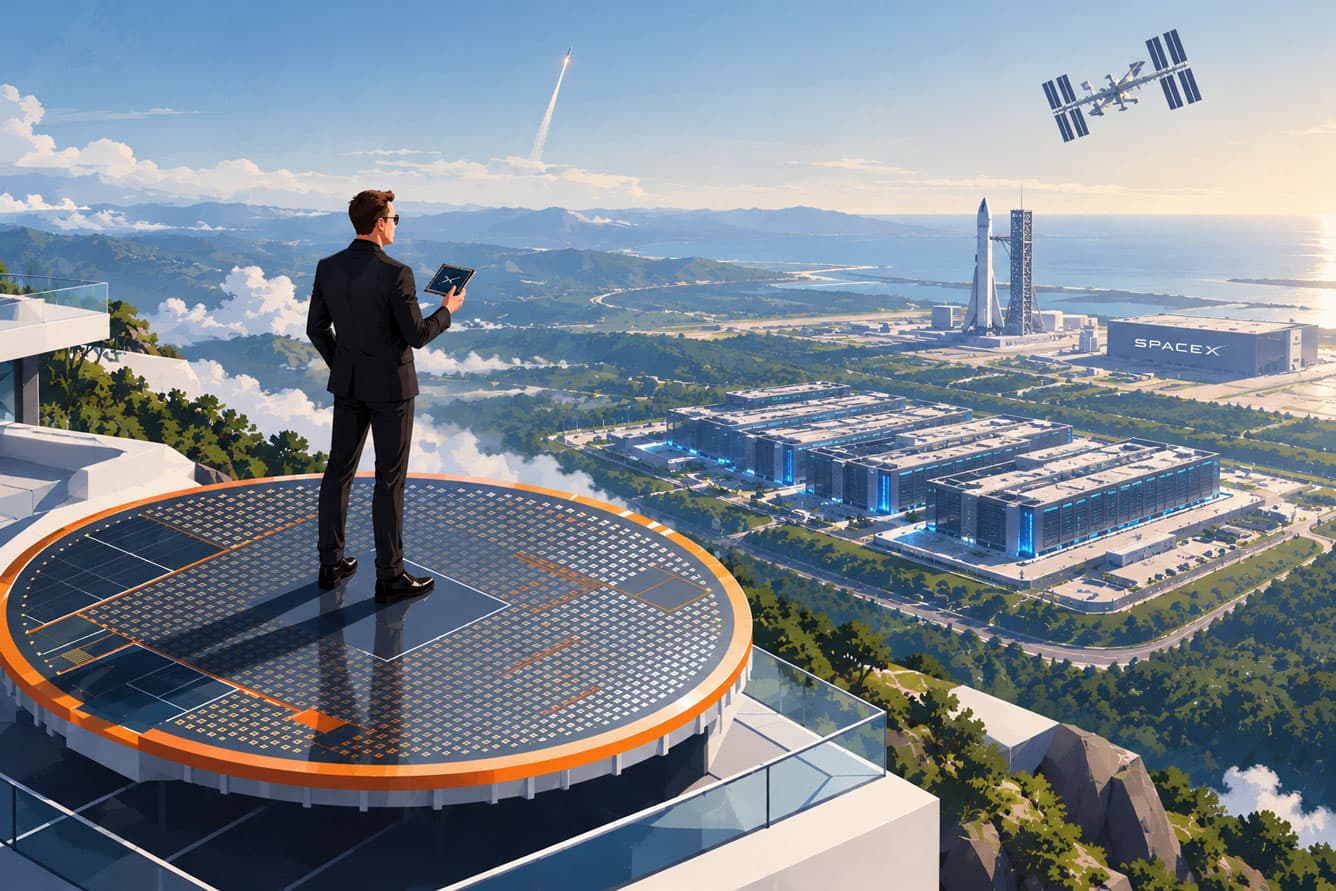
Elon Musk has built electric cars and reusable rockets, and now he is trying the hardest manufacturing job in the modern economy: making computer chips. The project is called Terafab, and its aim is to stop depending on other companies for the processors that power his businesses.
What Terafab is
Musk unveiled Terafab in March as a way to bring several stages of chip production under one roof, and SpaceX and Tesla will initially invest $16.8 billion in a manufacturing complex in Texas, according to Reuters. Two advanced chip factories are planned at a large site in Austin, one for Tesla vehicles and Optimus humanoid robots and another for AI data centres in space, and total spending could rise to $119 billion if later phases go ahead. supplychain247 cyprusshippingnews
The reported figures have moved around. Earlier coverage cited a $25 billion joint investment and a target of one terawatt of computing power a year, and a regulatory filing proposed a larger starting figure, so treat any single number with caution until the plan settles. sentisense
Why he is doing it
The logic is simple: demand for computing power is growing faster than supply. Tesla needs processors for vehicles and its Optimus robots, while SpaceX and xAI have growing computing needs for artificial intelligence, and SpaceX acquired xAI earlier this year. Relying on a few outside suppliers means waiting in line and paying their prices. Building in-house gives Musk control over cost, supply and, above all, speed, because a chip that goes from design to test in weeks improves faster than one that takes years. supplychain247
Who he is relying on
Even Terafab is not going it alone. Tesla plans to use Intel’s 14A manufacturing process, and Musk’s staff have approached equipment makers including Applied Materials, Tokyo Electron and Lam Research, as well as Samsung. That tells you how deep the supply chain runs. cyprusshippingnews
The obstacles
Chipmaking is unforgiving. The most advanced lithography machines come from a single supplier, delivery takes a year or more, and the toughest challenge is yield: producing good chips consistently takes years of process knowledge, not just money. Skilled engineers are scarce, and a plan this large strains even Tesla’s finances. Some critics have called the project overambitious and expensive. Musk has not published a firm timetable, and projects like this usually run late. sentisense
Why it matters for Africa
This is not just a Texas story. Whoever controls chips and computing power controls how fast AI develops, and Africa has almost none of either. African founders, banks, governments and media companies rent computing capacity from foreign providers, often priced in dollars and subject to someone else’s priorities.
Three things follow:
Compute is becoming a form of sovereignty. Countries and companies that cannot access chips depend on those that can. Cost and access will shape who builds. If giant projects like Terafab ease supply, AI tools may get cheaper. If they absorb supply, smaller players, including African startups, may wait longer and pay more. Data matters as much as hardware. Machines are only as useful as the information they learn from, and Africa’s economic data is still thin and scattered. The continent’s long-term advantage may lie in producing trusted, structured information about itself, not in racing to build fabs. The takeaway
Whether Terafab succeeds or becomes an expensive lesson, it shows where the world is heading: control of computing power is now a strategic goal, and the companies and countries that plan for it early will have the advantage. For African entrepreneurs, the lesson is to build skills, data and partnerships now, because access to this technology will not wait.
This article is for information only and is not investment advice.


Comments (0)