
Fuse ODG: The African Visionary Who Took Afrobeats Global
Fuse ODG: The African Visionary Who Took Afrobeats Global
This voice experience is generated by AI. Learn more.
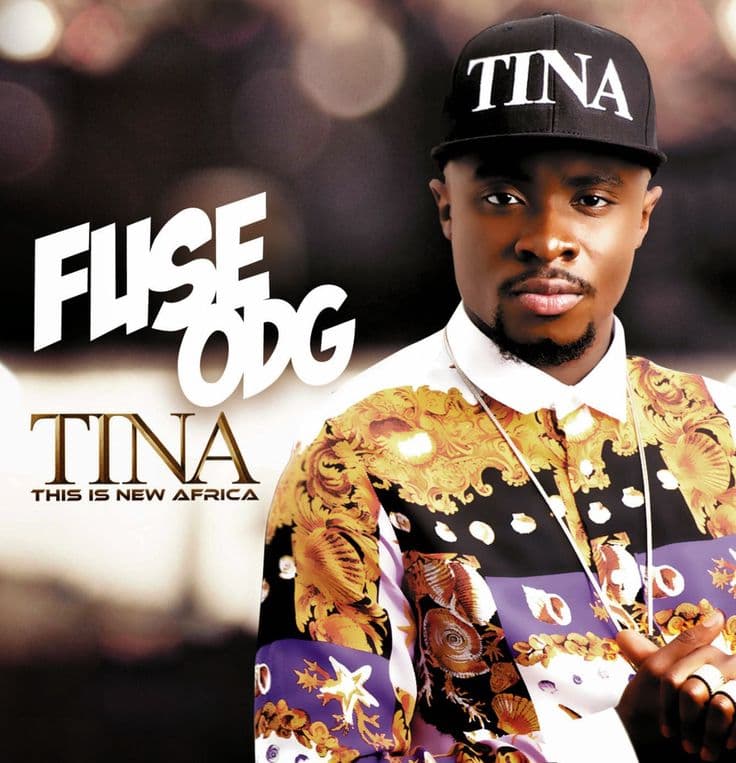
If there’s one artist who didn’t just make music—but helped change how the world sees African sound and identity—it’s Fuse ODG. From London streets to Ghanaian roots, he built a movement that pushed Afrobeats into global pop culture long before it became mainstream. This is not just a story of hits… it’s a story of culture, pride, and revolution through music. From London to Accra: The Birth of a Cultural Bridge Born Nana Richard Abiona in London, Fuse ODG grew up between two worlds—British urban culture and deep Ghanaian heritage. That dual identity became his superpower. Instead of choosing one side, he fused both. That’s where the name Fuse ODG (“Off Da Ground”) comes from—representing elevation, ambition, and a new African narrative rising from the ground up. While many artists were chasing Western approval, Fuse ODG had a different mission: “Africa doesn’t need validation. It needs representation.” The Azonto Explosion That Changed Everything Everything changed when Fuse ODG dropped “Azonto” and later “Antenna.” At the time, the Azonto dance was bubbling in Ghana—but Fuse turned it into a global movement. Suddenly: UK clubs were playing Afrobeats Dance crews worldwide were learning Azonto steps African street culture was going viral before TikTok even existed Then came “Antenna”, a certified UK hit that proved African rhythms could dominate mainstream charts without losing identity. Fuse ODG wasn’t following trends—he was creating them. “Dangerous Love” & The Global Breakthrough When Fuse ODG linked up with Sean Paul for “Dangerous Love,” the message was clear: Afrobeats had officially entered the global arena. The track blended Caribbean dancehall energy with African rhythm, showing the world something powerful: African music doesn’t need to be “adapted” to go global—it already is global. T.I.N.A: This Is New Africa His debut album, T.I.N.A (This Is New Africa), wasn’t just a project—it was a statement. It carried a bold message: Africa is not the past Africa is the future Through this album, Fuse ODG pushed a new identity: Proud African youth culture Positive representation Global collaboration without cultural dilution It was Afrobeats with purpose. More Than Music: A Cultural Activist Fuse ODG is not just an artist—he’s a cultural reformer. He has consistently used his platform to promote: African pride and identity Education initiatives for African youth Changing global stereotypes about Africa Through projects like his School of New Africa vision, he emphasizes empowerment over entertainment. For Fuse, music is just the vehicle. The destination is transformation. Why Fuse ODG Is Still Underrated Even with global hits and influence, Fuse ODG is often under-credited in Afrobeats conversations. But the truth is: He helped pave the UK Afrobeats wave He popularized African dance culture globally He proved Afrobeats could chart internationally early on He inspired a generation of artists to embrace African identity boldly Without Fuse ODG, the Afrobeats global takeover might have taken a very different path. Legacy: The Architect of Modern Afrobeats Energy Today, Afrobeats dominates global charts—but before the Grammy wins and stadium tours, there were pioneers. Fuse ODG stands among them as: A cultural bridge between Africa and the West A dance movement pioneer A voice for African pride on global stages His legacy is not just in songs—it’s in the way the world now dances, listens, and respects African sound. Fuse ODG didn’t just ride the Afrobeats wave—he helped build the ocean. And as global music continues to evolve, his influence remains embedded in every beat, every dance trend, and every African artist breaking boundaries today.




Comments (0)