
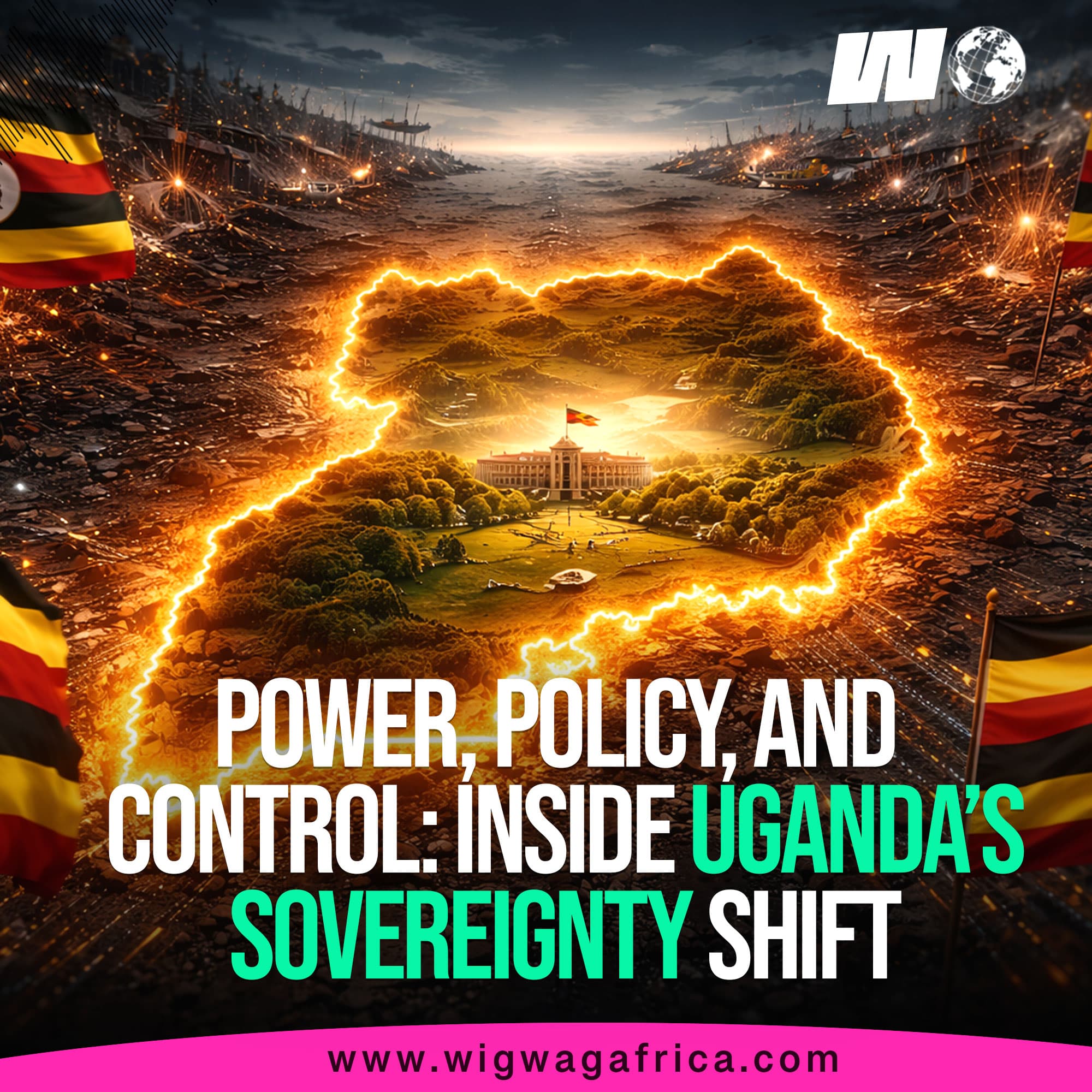
Inside Uganda’s National Sovereignty Bill
KAMPALA – A proposed piece of legislation in Uganda is doing more than just stirring political debate. According to the country’s banking industry, it is actively threatening to choke credit, stall remittances, and send foreign investors running for the exit.
The draft Protection of Sovereignty Bill 2026 has drawn a sharp, unusually detailed warning from the Uganda Bankers’ Association (UBA). In a rare public intervention, the association argued that key provisions of the bill “work directly against the banking industry’s response plan” to mobilize funding and expand private sector credit under the government’s own ATMS (Accelerated Transformation and Manufacturing Strategy).
For an economy seeking to attract capital and scale its industrial base, that is a dangerous contradiction.
What the Bill Proposes
While the full text of the bill is still being reviewed, the bankers’ concerns center on provisions they say could:
Disrupt normal lending mechanisms
Delay cross-border remittances (a vital source of foreign exchange and household income in Uganda)
Create legal uncertainty that deters foreign direct investment and portfolio flows
The UBA’s warning is not abstract. Remittances to Uganda consistently rank among the largest sources of external financing, often exceeding official development aid. Any legislative bottleneck in that pipeline would hit liquidity at the grassroots and institutional levels simultaneously.
Why Bankers Are Speaking Out
The Uganda Bankers’ Association rarely takes such a confrontational public stance. Its intervention signals that the industry sees the bill as an immediate operational threat—not a distant regulatory tweak.
The reference to the ATMS strategy is particularly telling. That strategy is Uganda’s blueprint for expanding manufacturing, boosting exports, and creating jobs. It relies heavily on private sector credit growth. If the Sovereignty Bill undermines the banking sector’s ability to lend, the ATMS framework loses its financial engine.
In effect, the government would be using one hand to write a growth plan—while the other hand drafts legislation that sabotages it.
What This Means for Investors
For global investors watching Uganda’s frontier market trajectory, three risks now stand out:
Credit Contraction: If banks scale back lending due to legal uncertainty or compliance burdens, local businesses—especially SMEs—will feel the squeeze first. That slows GDP growth and raises default risks.
Remittance Friction: Delays or restrictions on cross-border flows would increase the cost of doing business and reduce household disposable income. For consumer-facing sectors, that is a direct headwind.
Perception Shift: Uganda has worked hard to position itself as a stable, reform-oriented destination for capital. A bill perceived as nationalist overreach or regulatory unpredictability can reverse that perception quickly—and sovereign risk ratings are slow to recover once damaged.
The Bottom Line
Sovereignty is not a binary choice between control and openness. Every functioning economy balances national legal authority with the predictability that global capital demands.
The Uganda Bankers’ Association has just issued a clear warning: this draft bill tilts too far, and the cost will be measured in foregone credit, slower remittances, and wary investors.
Whether Kampala listens—or revises—will tell the market everything it needs to know about Uganda’s true appetite for growth.




Comments (0)