
Is Space Tourism Finally Ready?
Is Space Tourism Finally Ready?
This voice experience is generated by AI. Learn more.
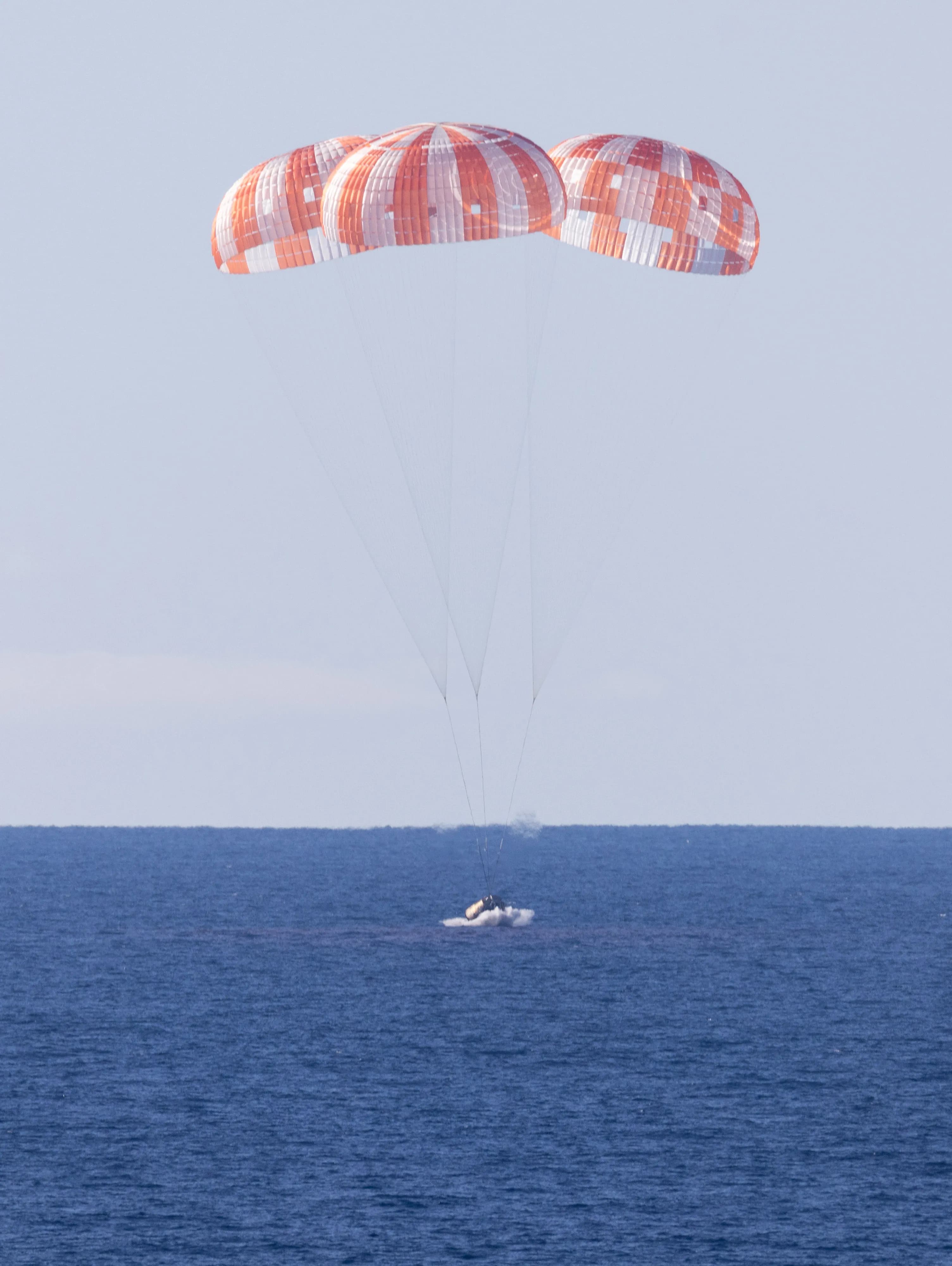
The Pacific Ocean spray had barely settled around the Orion spacecraft this past Friday before the global conversation shifted from "Can we go back?" to "When can I go?"
With the successful splashdown of Artemis II on April 10, 2026, NASA didn't just complete a lunar flyby; they arguably handed a golden ticket to the burgeoning private space sector. As the four-person crew returns to Houston, the mission stands as a massive proof-of-concept for high-stakes, long-distance human spaceflight—the very foundation upon which the future of space tourism must be built.
The Pacific Ocean spray had barely settled around the Orion spacecraft this past Friday before the global conversation shifted from "Can we go back?" to "When can I go?"
With the successful splashdown of Artemis II on April 10, 2026, NASA didn't just complete a lunar flyby; they arguably handed a golden ticket to the burgeoning private space sector. As the four-person crew returns to Houston, the mission stands as a massive proof-of-concept for high-stakes, long-distance human spaceflight—the very foundation upon which the future of space tourism must be built.
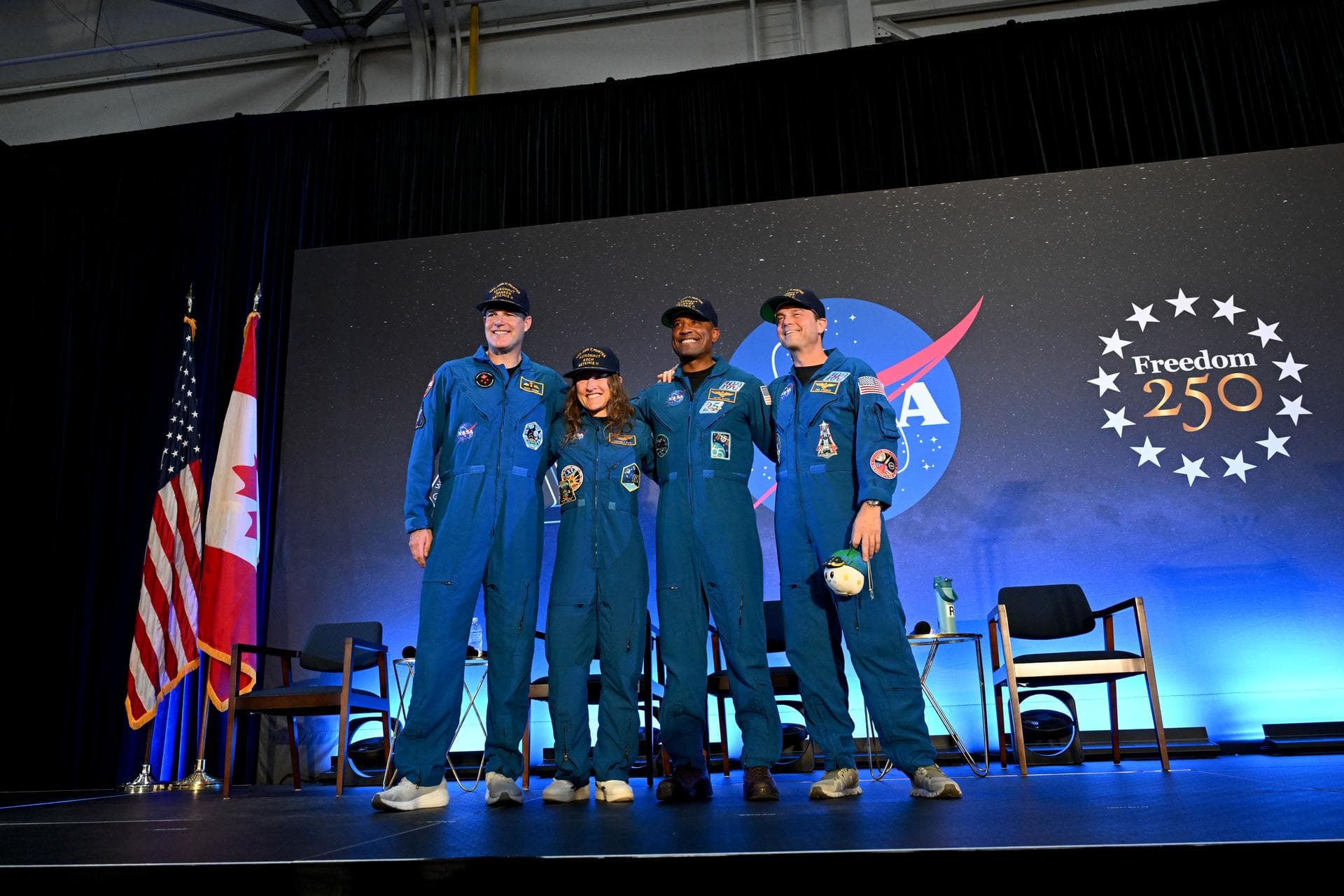
Meet the Artemis II Crew: The New Pioneers The success of any mission rests on its personnel. The Artemis II crew represents a blend of seasoned expertise and historic "firsts":
Reid Wiseman (Commander): A veteran of the International Space Station who led the mission with surgical precision.
Victor Glover (Pilot): The first Person of Color to participate in a lunar mission, handling manual piloting demonstrations.
Christina Koch (Mission Specialist): The record-holder for the longest single spaceflight by a woman, now the first woman to reach the Moon.
Jeremy Hansen (Mission Specialist): Representing the Canadian Space Agency (CSA), Hansen is the first non-American to fly to the lunar vicinity.
The Tech That Changed the Game This wasn't just a "sightseeing" trip. The crew stress-tested several technologies that are vital for future commercial space hotels and lunar cruises:
Manual Docking & Piloting: The crew took manual control of Orion to validate handling. For future space tourists, this ensures that even in "autopilot" failures, human-rated systems remain safe.
The AVATAR Investigation: One of the most critical experiments on board, studying how human tissue responds to deep-space radiation. Understanding this is the "holy grail" for commercial companies looking to sell week-long lunar orbits.
Advanced Life Support: For the first time, Orion’s systems were tested with four humans breathing, sweating, and exercising in a confined deep-space environment for over a week.
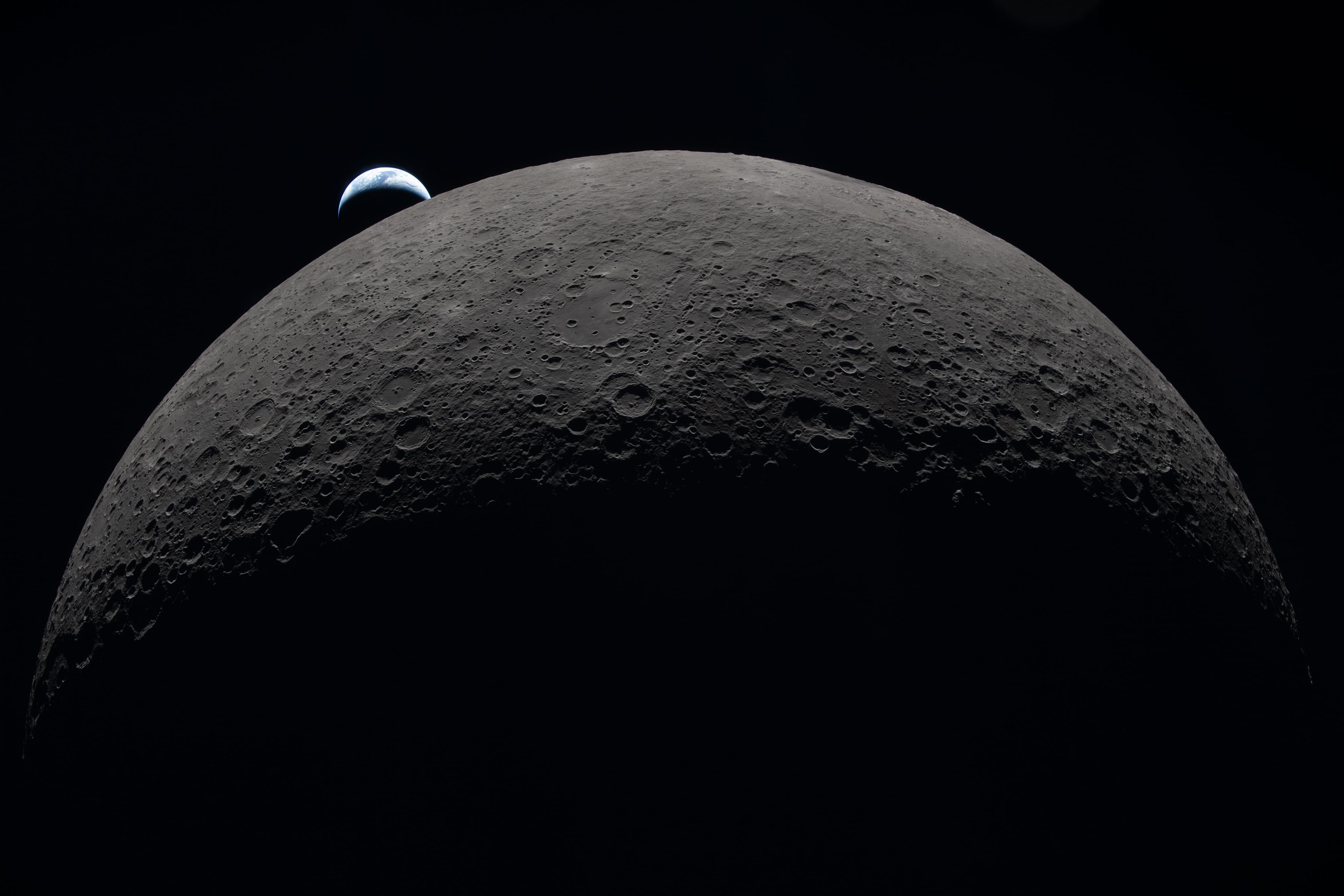
High-Res Lunar Mapping: The crew captured over 7,000 images, including breathtaking "Earthsets," providing the data needed to choose safe landing spots for future commercial lunar bases.
Why This Matters for Space Tourism If you’re looking to book a flight, Artemis II is your green light. By surpassing the distance record set by Apollo 13 in 1970, NASA has proven that 50-year-old boundaries are meant to be broken.
The "Golden Age of Exploration" mentioned by NASA leadership isn't just for government astronauts. The mission architecture—using the SLS and Orion—is designed to integrate with commercially built Moon landers. This "public-private" handoff is exactly what companies like SpaceX, Blue Origin, and Axiom Space need to normalize lunar-distance travel.




Comments (0)