
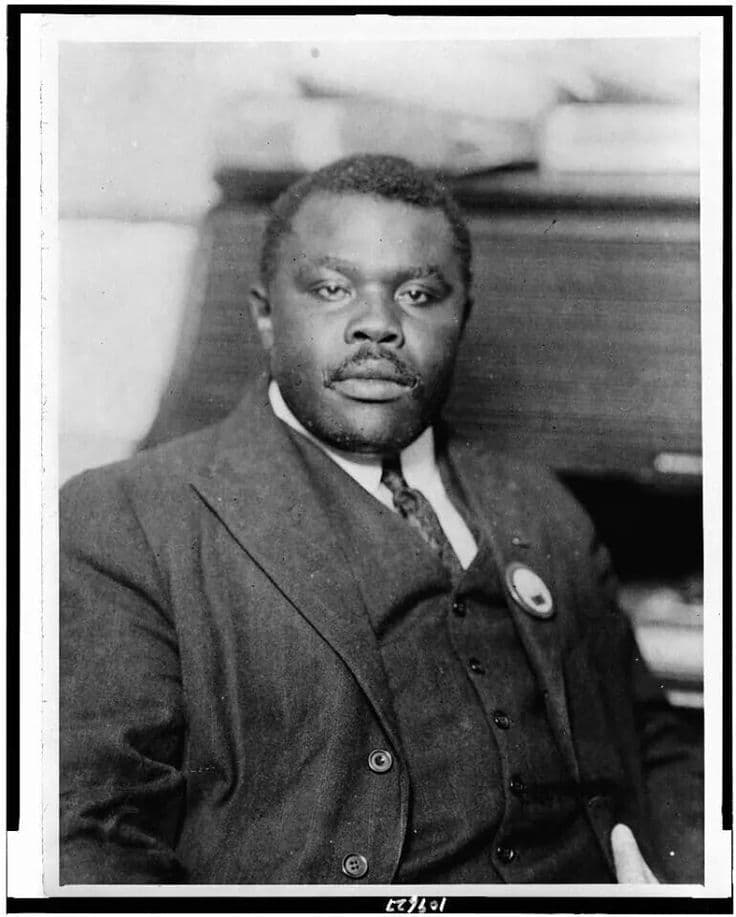
Marcus Garvey: The Jamaican Visionary Who Sparked a Global Movement
Marcus Garvey: The Jamaican Visionary Who Sparked a Global Movement
This voice experience is generated by AI. Learn more.
Few figures in Caribbean history have left a legacy as bold and far-reaching as Marcus Garvey. Born in Jamaica but celebrated worldwide, Garvey became a symbol of Black pride, unity, and self-determination—decades before civil rights movements gained global attention. Early Life in Jamaica Marcus Mosiah Garvey Jr. was born on August 17, 1887, in St. Ann's Bay. Growing up in a modest household, he developed a love for reading and learning at an early age. His father, a stonemason, owned a small library, which exposed Garvey to ideas that would later shape his worldview. Despite limited formal education, Garvey became a printer by trade—a skill that would later empower him to spread his message through newspapers and publications. The Birth of a Movement In 1914, Garvey founded the Universal Negro Improvement Association (UNIA) in Jamaica. His mission was clear: unite people of African descent across the world and inspire them to reclaim their identity, culture, and economic power. A few years later, he moved to the United States, where his ideas gained massive traction—especially in Harlem, New York. There, the UNIA grew into one of the largest Black-led movements in history, with millions of supporters worldwide. The Black Star Line Dream One of Garvey’s most ambitious projects was the creation of the Black Star Line in 1919. The goal was to establish a shipping and trade network owned by Black people, connecting Africa with the diaspora. The Black Star Line became a powerful symbol of economic independence. Though the company ultimately failed due to financial mismanagement and external pressures, its vision inspired generations to think beyond limitations. Controversy and Challenges Garvey’s bold ideas and rising influence attracted both admiration and opposition. He was eventually arrested in the United States on charges of mail fraud related to the Black Star Line. In 1923, he was convicted and later deported to Jamaica in 1927. Many historians believe the charges were politically motivated, as his movement threatened existing power structures. Legacy and Global Impact Marcus Garvey’s influence extended far beyond Jamaica. His philosophy of Black empowerment and unity inspired leaders such as Malcolm X and Kwame Nkrumah. He promoted the idea of “Africa for Africans,” encouraging pride in African heritage at a time when colonialism and racism dominated global narratives. Today, Garvey is recognized as Jamaica’s first National Hero, and his teachings remain deeply relevant in conversations about identity, equality, and economic independence. Conclusion From a small town in Jamaica to a global stage, Marcus Garvey’s journey is a story of vision, courage, and relentless belief in his people. He didn’t just dream of change—he built a movement that reshaped Black consciousness worldwide. His message still echoes today: know your worth, embrace your roots, and build your own future. Twitter @wigwagafrica TikTok @wigwagafrica Instagram @wigwagafrica Facebook @wigwagafrica




Comments (0)