
‘Michael’ : Inside the Biopic Reshaping Music Nostalgia, Power, and Cultural Memory
The return of Michael Jackson isn’t just a film moment—it’s a global signal.
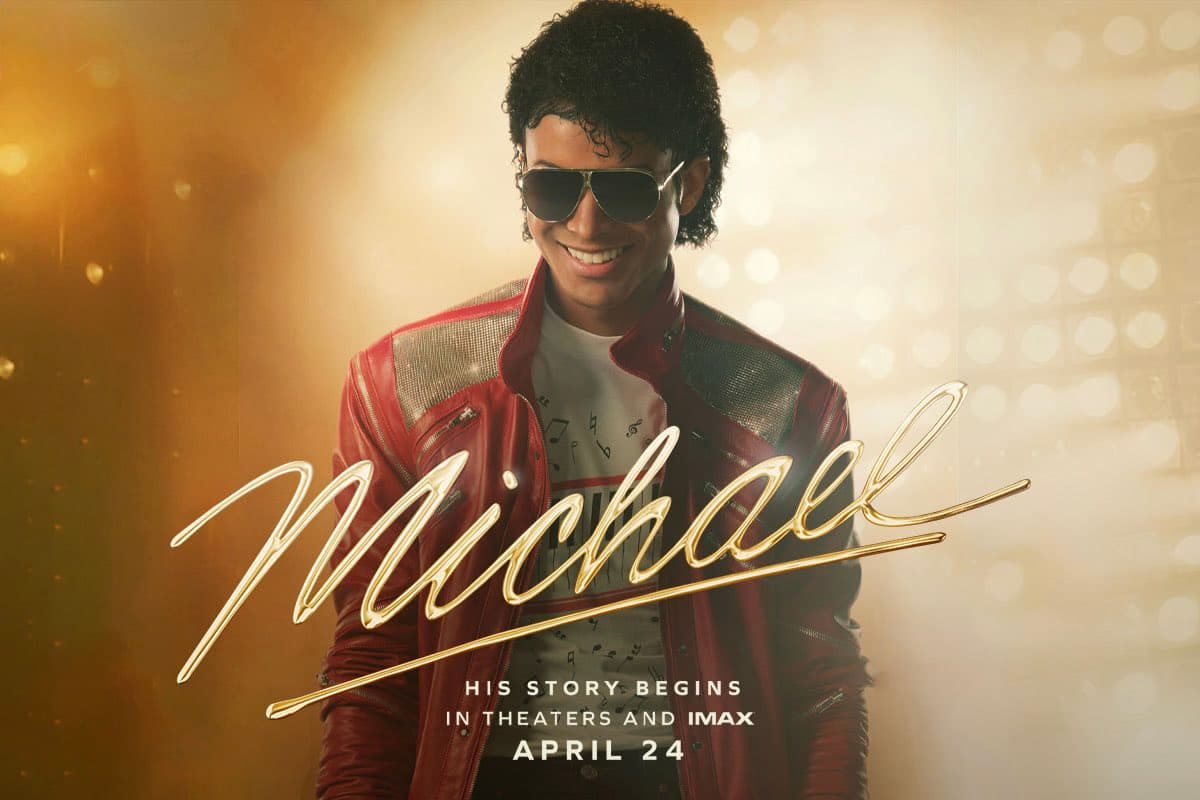
Directed by Antoine Fuqua, Michael arrives in theaters April 24 with a familiar promise: tell the story of the King of Pop. But beneath the surface, the film reveals something deeper about how music, culture, and legacy now move in a fragmented global era.
Early reactions, following premieres from Berlin to Los Angeles, suggest a film that plays it safe structurally—but resonates emotionally. And that combination may be exactly what drives its global impact.
A Familiar Story, A Strategic Focus
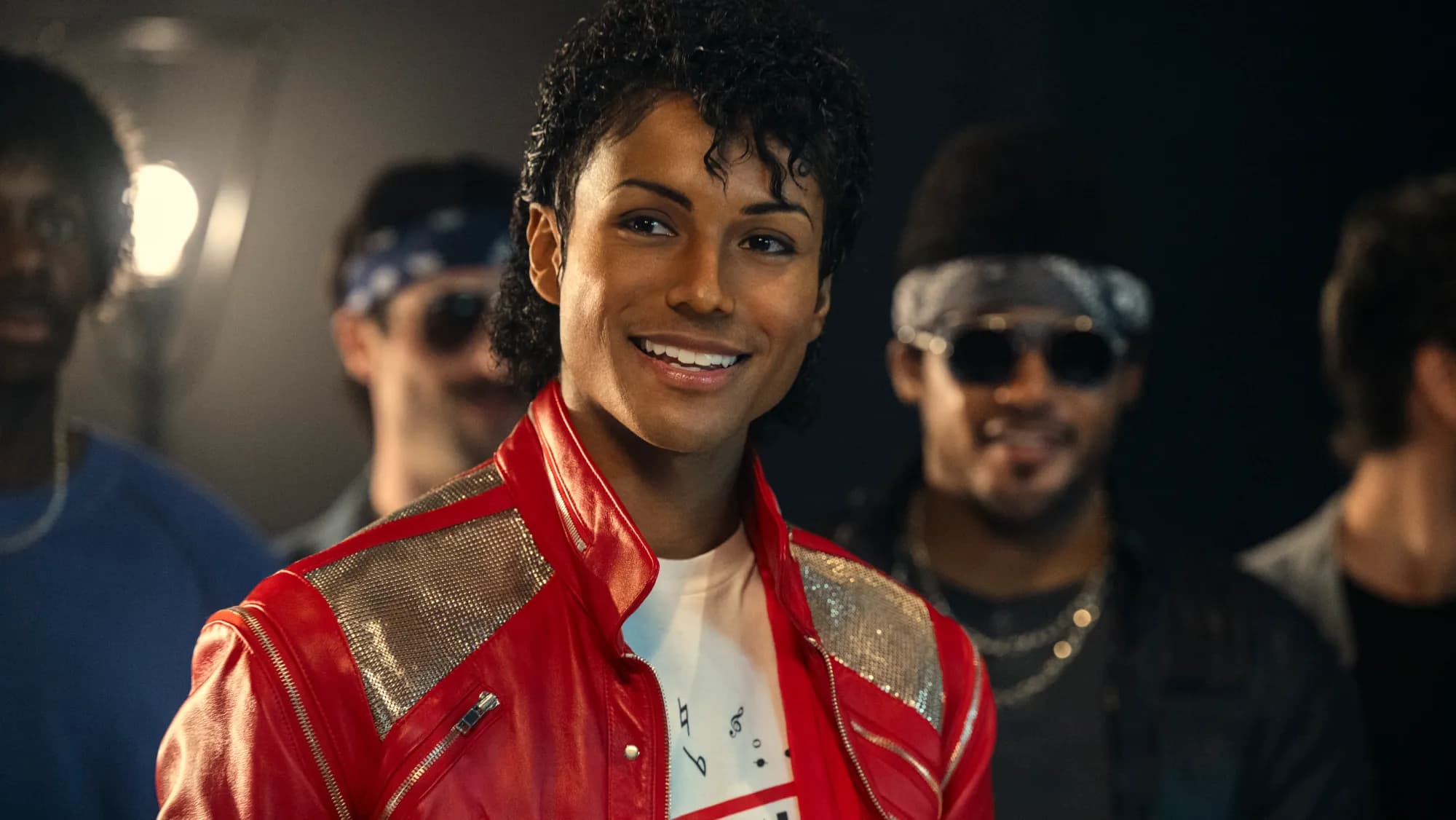
Starring Jaafar Jackson in a breakout role, Michael traces the artist’s rise from child prodigy in the Jackson 5 to global superstardom.
The film ends at the Bad era—before controversy reshaped public perception.
That choice is not accidental.
Instead of tackling the most debated chapters of Jackson’s life, the film isolates:
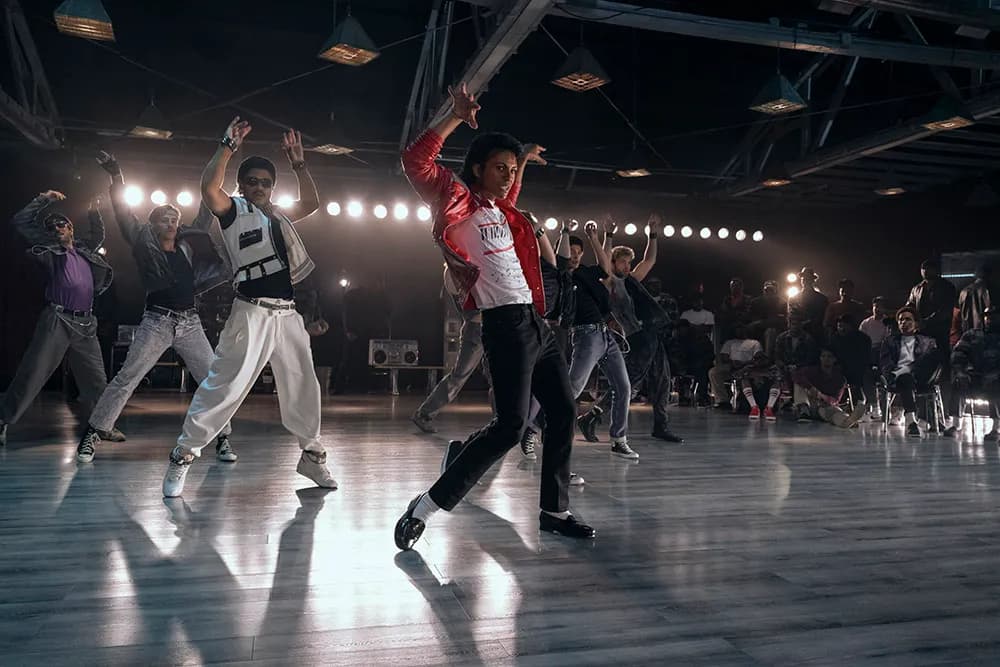
early genius cultural dominance performance innovation
Budget, Scale, and Industry Bet
Backed by Lionsgate and produced by Graham King (Bohemian Rhapsody), Michael is reported to carry a budget in the range of $150 million–$155 million.
That places it among the most expensive music biopics ever made.
Cultural Casting and African Connection
While Michael is a Hollywood production, its cast reflects a wider cultural spread—including actors with strong African and diasporic roots:
Colman Domingo (Joe Jackson) Cultural background: African-American heritage with deep theatrical influence Performance: intense, disciplined, emotionally layered Nia Long (Katherine Jackson) Cultural background: African-American Brings warmth, restraint, and emotional grounding Kendrick Sampson (Quincy Jones) Represents the producer behind Jackson’s defining sound Larenz Tate (Berry Gordy) Anchors the Motown era, which has long influenced African music markets
While no African-born actors headline the film, the Black American cultural lineage it represents has deeply shaped music across Africa—from Kampala to Lagos to Johannesburg.
Jackson’s sound, style, and choreography remain embedded in African pop culture to this day.
The Real Signal: Music Still Moves the Market
The most powerful element of Michael isn’t its storytelling—it’s the music.
Tracks from:
Off the Wall Thriller Bad
still dominate cultural memory.
And the film leverages that.
Rather than reinterpret the music, it preserves it—using original recordings to trigger recognition loops across audiences.
Performance vs Truth
Critics note that Michael avoids deeper controversy.
But that’s part of its design.
Like Bohemian Rhapsody before it, the film prioritizes:
emotional accessibility over investigative depth
And that may be what makes it commercially effective.
Because in the current landscape:
audiences don’t just consume stories—they revisit feelings
Final Word
Michael may not redefine the biopic genre.
But it doesn’t need to.
Its real impact lies in what it activates:
memory music movement
Because even years after his passing, one truth remains:
Michael Jackson is not just part of music history.
He’s still part of its future.




Comments (0)