
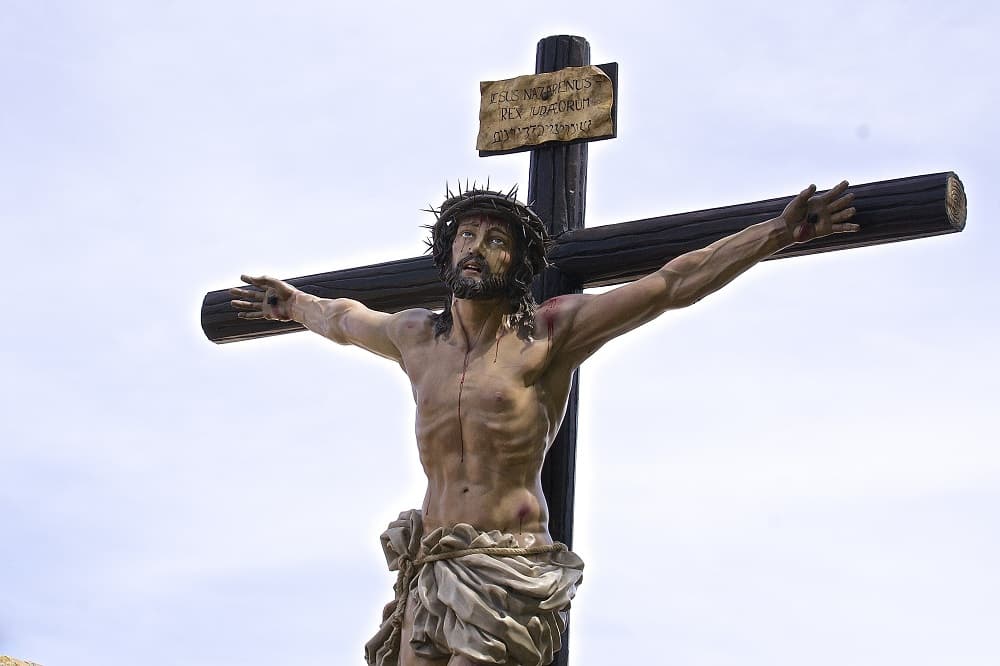
The Last Words of Jesus on the Cross: What was Said?.
The Last Words of Jesus on the Cross: What was Said?.
This voice experience is generated by AI. Learn more.
Before He Died
Among the most quoted, translated passages in religious history are the final words spoken by Jesus Christ as he hung on the cross at Calvary. Drawn from all four Gospels, Matthew, Mark, Luke, and John, these statements were never recorded together in a single narrative. Christian tradition gathered them centuries later into a sequence now known as the Seven Last Words of Christ, arranged in the order most scholars believe they were spoken during the hours leading up to his death. They remain central to Good Friday services, Holy Week reflection, and centuries of theological study across Catholic, Orthodox, and Protestant traditions alike.
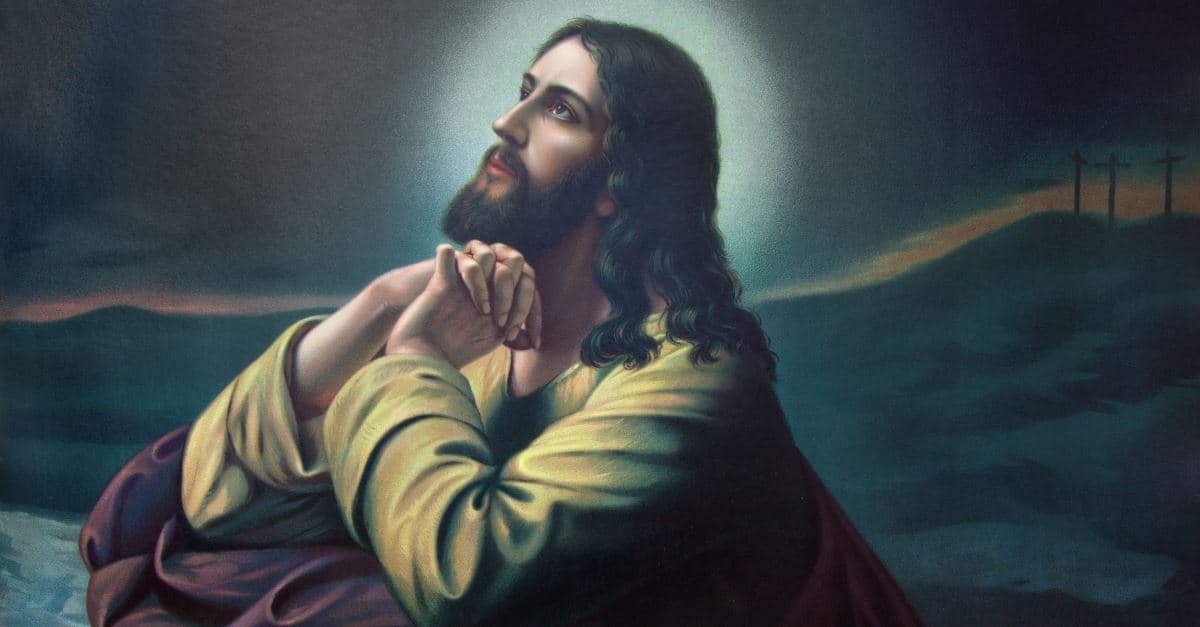
The First Word: A Prayer of Forgiveness
The first statement came almost immediately after the crucifixion itself. As Roman soldiers cast lots for his garments beneath him, Jesus looked upon those responsible for his execution and said, Father, forgive them, for they know not what they do, recorded in Luke chapter 23, verse 34. There is no indication in the text that those being forgiven had asked for it or expressed any remorse. For centuries, this line has been read as the clearest possible expression of unconditional mercy, forgiveness offered in the very act of suffering, rather than after it had passed.
The Second Word: A Promise of Paradise
The second saying emerged from an exchange with one of the two criminals crucified on either side of Jesus. Luke's Gospel, chapter 23, verses 39 through 43, describes one criminal mocking him while the other rebuked his companion and asked to be remembered when Jesus entered his kingdom. Jesus answered him directly, saying, Truly, I say to you, today you will be with me in Paradise. This response has become one of the most cited passages in Christian teaching on grace, often referenced as evidence that redemption was offered instantly and without preconditions, even to a man dying for his crimes beside him.
The Third Word: A Son's Final Care
The third statement shifts entirely away from strangers and toward family. In John chapter 19, verses 26 and 27, Jesus looks down from the cross and sees his mother Mary standing near the disciple traditionally identified as John. He says to her, Woman, behold your son, and then turns to the disciple and says, Behold your mother. The text notes that from that hour, the disciple took her into his own home. Even while enduring extreme physical suffering, this moment shows Jesus attending to a deeply practical and personal matter, making sure his mother would be cared for after he was gone.
The Fourth Word: A Cry of Abandonment
The fourth saying is widely regarded as the most theologically complex of the seven. Both Matthew chapter 27, verse 46, and Mark chapter 15, verse 34, record Jesus crying out in a loud voice, My God, my God, why have you forsaken me. The Gospels preserve the original Aramaic before translating it, a detail that underscores how significant this moment was to the earliest witnesses. Scholars note that this line opens Psalm 22, an Old Testament psalm that begins in anguish but ultimately turns toward trust and vindication. Many theologians interpret the cry not as a loss of faith, but as Christ fully entering into human suffering and spiritual isolation, quoting a psalm his listeners would likely have recognized as pointing toward eventual deliverance rather than despair alone.
The Fifth Word: A Human Thirst
The fifth statement is short but significant for what it reveals about the physical reality of the crucifixion. John chapter 19, verse 28, records that Jesus, knowing his work was nearly complete, said simply, I thirst. Soldiers nearby responded by lifting a sponge soaked in sour wine to his lips on a hyssop branch. This moment is often highlighted as emphasizing the full humanity of Christ, a man genuinely suffering thirst, exhaustion, and physical pain, not a figure removed from bodily experience.
The Sixth Word: A Declaration of Completion
The sixth saying carries an entirely different tone from the suffering that precedes it. In John chapter 19, verse 30, after receiving the sour wine, Jesus says, It is finished, before bowing his head and giving up his spirit. In the original Greek, this is a single word, tetelestai, a term that in the ancient world was often used to mark a debt as fully paid. Many theologians read this as a declaration of triumph rather than defeat, Christ announcing that the mission central to his purpose had been completed in full.
The Seventh Word: A Final Surrender
The last words traditionally attributed to Jesus before his death appear in Luke chapter 23, verse 46. Crying out in a loud voice, he says, Father, into your hands I commit my spirit, and having said this, he breathed his last. This final line draws directly from Psalm 31, verse 5, another Old Testament psalm rooted in trust rather than fear. The tone here is one of deliberate surrender, a final act of commending his spirit to God rather than simply succumbing to death.
Why These Words Continue to Resonate
Read together, the seven statements move through an extraordinary emotional and spiritual arc, forgiveness, promise, familial responsibility, abandonment, physical suffering, completion, and finally trust. Christian communities across the world continue to build entire liturgical traditions around meditating on these words, particularly during Good Friday services sometimes called the Three Hours or Tenebrae, where each saying is read and reflected upon in sequence.
Beyond their religious significance, these final words are studied for what they reveal about composure and character in the face of death, a figure who, according to the Gospel accounts, remained focused on forgiveness, relationship, and purpose even while enduring extreme suffering. Nearly two thousand years later, these seven brief statements remain among the most quoted, translated, and deeply meditated upon lines in religious literature, continuing to shape sermons, art, and personal reflection across the Christian world.




Comments (0)