
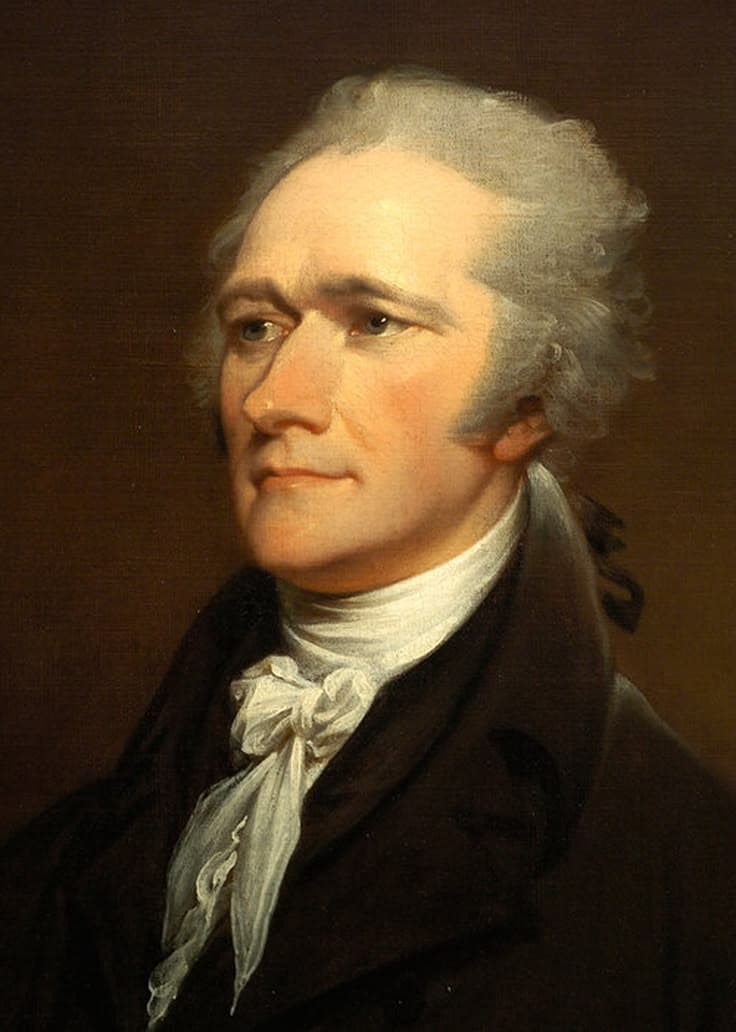
The Remarkable History of Alexander Hamilton
The Remarkable History of Alexander Hamilton
This voice experience is generated by AI. Learn more.
Few figures in history embody the idea of rising from nothing quite like Alexander Hamilton. From a difficult childhood in the Caribbean to becoming one of the most powerful architects of the United States, Hamilton’s story is one of resilience, intellect, and relentless ambition. Early Life in the Caribbean Alexander Hamilton was born in Charlestown, Nevis, in the Caribbean during the mid-1700s. Unlike many of America’s Founding Fathers, Hamilton did not come from wealth or privilege. His early life was marked by hardship—he was orphaned at a young age and forced to work to survive. Despite these struggles, Hamilton showed exceptional intelligence. As a teenager, he worked as a clerk for a trading company, where he developed a deep understanding of commerce, finance, and global trade—skills that would later shape an entire nation. A turning point came when Hamilton wrote a powerful letter describing a hurricane that devastated his island. The letter impressed local leaders so much that they raised funds to send him to North America for education. Education and Rise in America Hamilton arrived in the American colonies in pursuit of education, eventually studying in New York. There, his talent quickly stood out. He became deeply involved in revolutionary politics, writing essays and speeches that supported colonial independence. When the American Revolutionary War broke out, Hamilton joined the fight. His intelligence and leadership earned him a position as an aide-de-camp to George Washington, where he played a key role in military strategy and communication. Founding a Nation After the war, Hamilton became one of the most influential voices in shaping the new United States. He was a major contributor to the Federalist Papers, a collection of essays that helped convince Americans to ratify the Constitution. Hamilton believed in a strong central government and a robust economic system. His ideas were bold—and sometimes controversial—but they laid the foundation for modern America. Architect of America’s Financial System In 1789, under President George Washington, Hamilton became the first U.S. Secretary of the Treasury. In this role, he: Established the national banking system Created plans to manage national debt Encouraged industrial growth and investment Built trust in the U.S. economy globally His financial policies transformed a struggling new nation into a stable and credible economic power. Political Rivalries and Final Days Hamilton’s success also brought fierce opposition. One of his most famous rivals was Aaron Burr. Their long-standing political and personal conflict ended tragically in 1804 during a duel. Hamilton was fatally wounded, bringing a sudden end to one of the most brilliant minds of his era. Legacy That Still Shapes the World Alexander Hamilton’s influence is still felt today: The U.S. financial system still reflects his ideas He appears on the $10 bill His life inspired books, films, and even a global hit musical From a small Caribbean island to the center of world history, Hamilton’s journey proves that greatness is not defined by where you start—but by how far you’re willing to go. Final Takeaway Hamilton’s story is more than history—it’s inspiration. No matter your background, your environment does not limit your future. With vision, discipline, and courage, even the most unlikely beginnings can lead to world-changing impact. Twitter @wigwagafrica TikTok @wigwagafrica Instagram @wigwagafrica Facebook @wigwagafrica




Comments (0)