
Uganda's First Miss Universe Crown'd
Uganda's First Miss Universe Crown'd
This voice experience is generated by AI. Learn more.
Uganda's First Miss Universe Isn't Just a Crown — She's a Brand in the Making
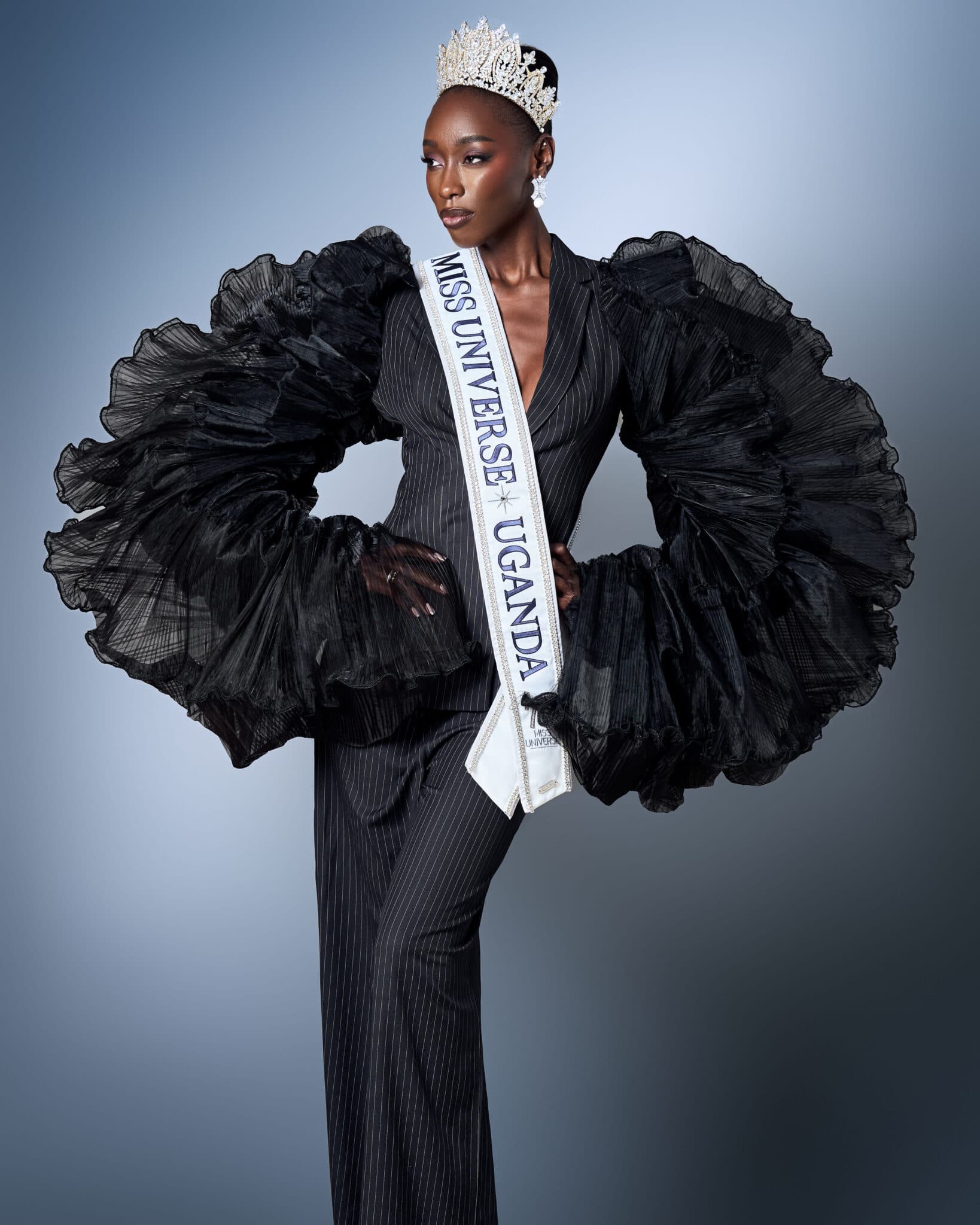
Mitchelle Daka just became the first woman in Uganda's history to hold the title of Miss Universe Uganda, and she is already talking less like a beauty queen and more like a founder. In a recent interview with BellaNaija, Daka spoke about responsibility, legacy, and the platforms she has already built — a sustainable activewear label, a wellness podcast, and a foundation born out of personal loss — long before the sash ever touched her shoulder. That framing matters, because what Daka is walking into is not simply a pageant title. It is a short, high-leverage window that either compounds into a durable personal brand or quietly fades once the crown is handed to someone else.
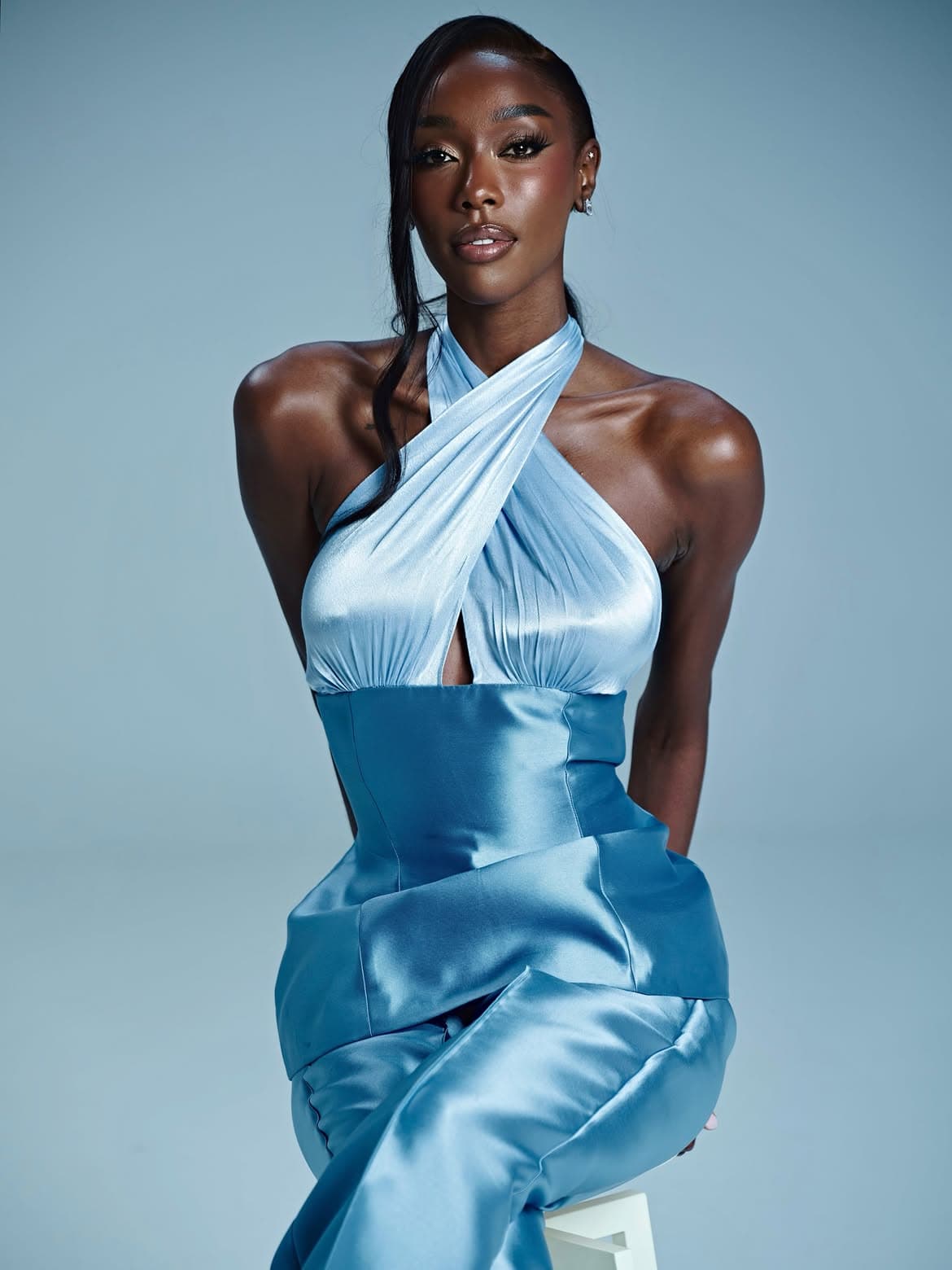
The story behind her win reads less like a fairytale and more like a case study in accumulated equity. A decade spent modeling for houses like Dior, Chanel, Fendi and Vogue, a business administration degree, a self-run activewear company sourced from Oeko-Tex-certified suppliers in China, and years of grassroots mental health advocacy tied to the memory of her late friend, Karabo Mokoena — none of it happened because of the crown. All of it happened before the crown, which is precisely why the crown now has something real to amplify.
What the Title Is Actually Worth
A national Miss Universe title does not, by itself, come with the eye-watering numbers associated with the global crown — but it is the ticket into the room where those numbers exist. Daka's win qualifies her to represent Uganda at the international Miss Universe finale in Puerto Rico this November, and it's the outcome of that competition, not the national title alone, that determines whether the biggest financial upside materializes.
Should she go on to win globally, the numbers change dramatically. Recent Miss Universe winners have reportedly received a starting fund in the region of $250,000, plus a monthly stipend estimated near $50,000 during the reign, on top of a fully covered luxury residence in New York, a glam and wellness team, chauffeured travel, and access to major brand partnerships. The crown itself has been publicly valued at more than $5 million, though that figure is symbolic rather than a personal payout.
Even without the global title, the national platform alone typically converts into brand ambassadorships, modeling contracts, media hosting opportunities, and speaking fees that a private citizen simply cannot access. For someone who already runs a fashion label and a podcast, a national Miss Universe title functions less like a prize and more like a marketing multiplier — it puts a distribution channel behind work she was already doing.
The Clock Is the Real Constraint
Here is the detail most coverage skips: the title has an expiration date. Miss Universe titleholders are expected to fulfill their duties across a full twelve-month reign, after which the crown passes to a successor. The attention, the access, and the opening doors are not permanent assets — they are a leased asset with a hard return date.
That is precisely why the founders and public figures who get the most long-term value out of a title like this are the ones who treat it as infrastructure rather than an identity. The historical pattern among past Miss Universe titleholders bears this out: Mpule Kwelagobe of Botswana used her reign to become a prominent advocate for reproductive health and was later invited to speak at the United Nations, while Denise Quiñones of Puerto Rico built a career in acting after her reign and eventually returned to direct her country's own Miss Universe pageant. The crown opened the door in both cases. What they built inside that window is what lasted.
Why Daka Already Looks Positioned to Play the Long Game
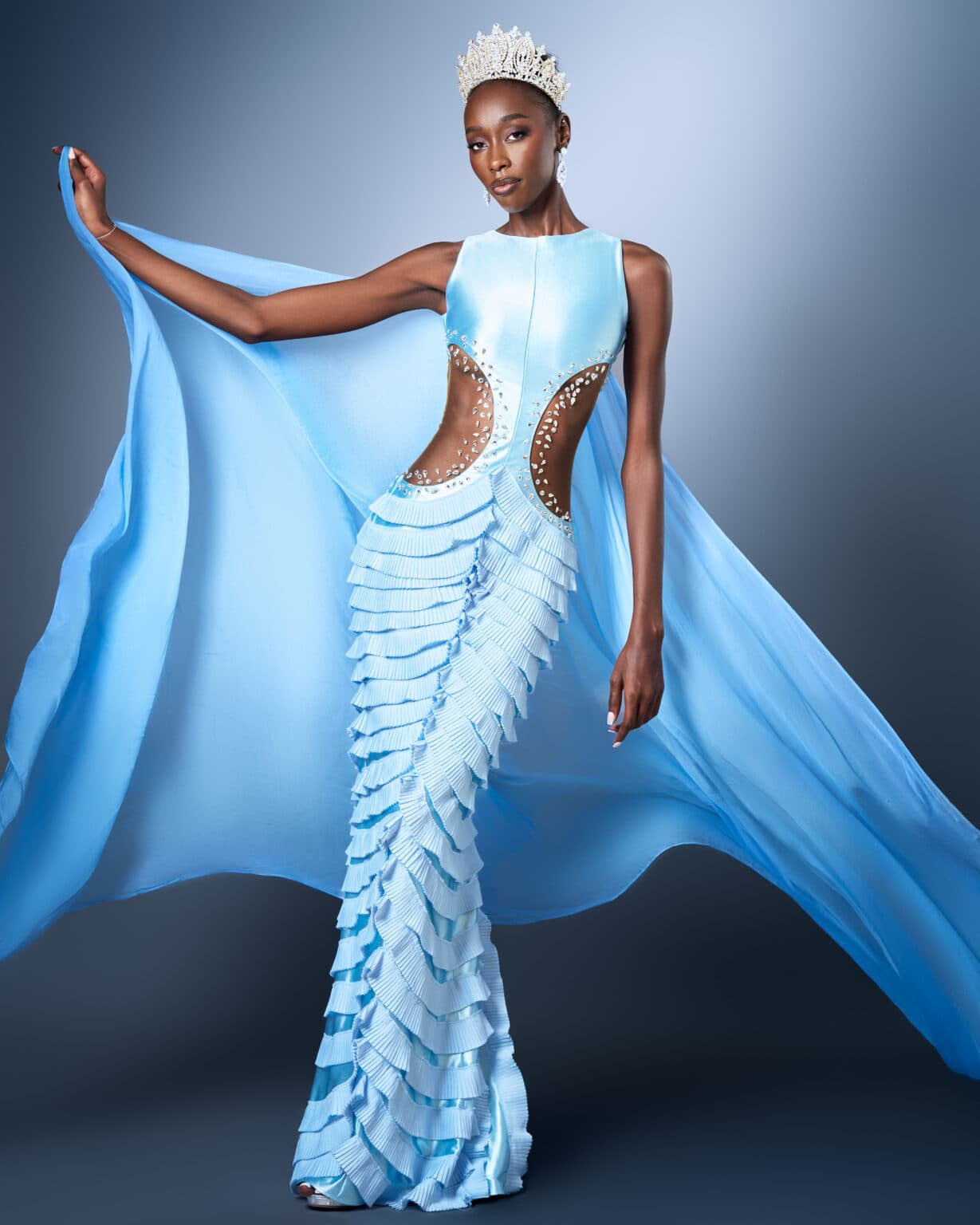
Unlike a first-time titleholder building a public profile from scratch, Daka enters this year with three pre-existing assets that don't disappear when the reign ends: a fashion company, a media platform, and an advocacy cause with an authentic personal story attached. Each of those is a business, not a bouquet. A crown accelerates awareness of a business; it does not replace the need to have built one.
Her own language reflects that instinct. She has spoken about wanting to open a physical store for her activewear brand in Uganda, about using her mental health podcast to model action over cliché, and about treating consistency — not virality — as the actual engine of long-term value. That is a founder's vocabulary applied to a pageant title, and it's the reason her story reads more like an asset-building strategy than a fairytale.
The Real Net-Worth Question
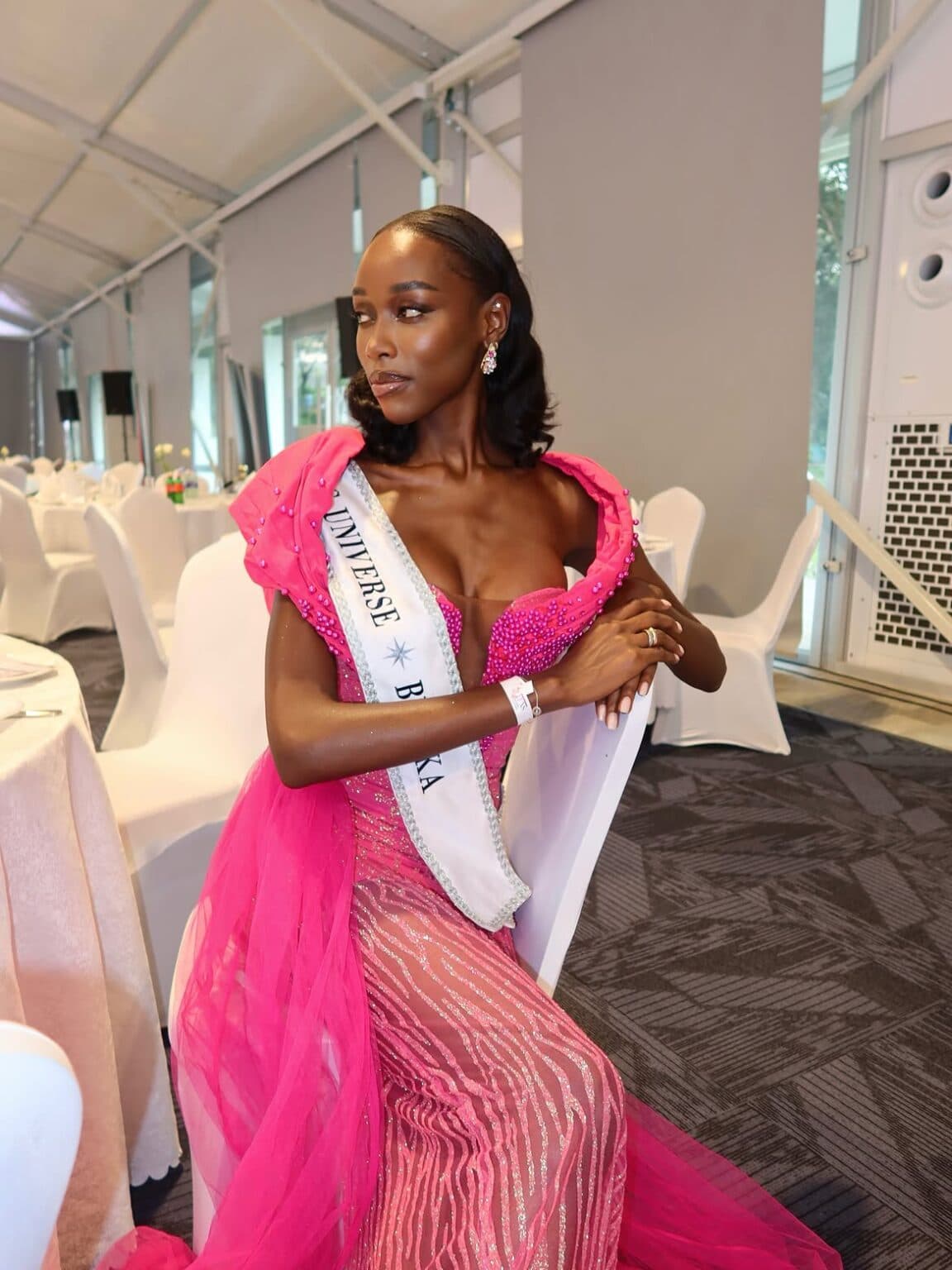
Putting a single net-worth figure on Daka right now would be speculative — public pageant winners rarely disclose personal earnings, and her income spans modeling contracts, brand ownership, and now a national ambassadorship, none of which are publicly itemized. What can be said with more confidence is the shape of the opportunity in front of her: a twelve-month spotlight, a possible global title with a six-figure-and-up prize structure attached, and — regardless of the outcome in Puerto Rico — a measurable lift in the commercial value of the brand she already owns.
The crown will not make Mitchelle Daka valuable. It will make it easier for the market to notice that she already was. That is, in the end, the same lesson every founder eventually learns about capital, attention, and timing: the platform amplifies what you built before it arrived. It rarely builds anything on its own.




Comments (0)